
Vision Therapy: Understanding How Your Eyes Work Together
Vision supports everyday activities such as reading, working at a screen, and moving through the world. Beyond visual sharpness, people may have questions about eye coordination, focusing, tracking, and visual comfort. Maitri Foundation provides information about its vision-related offering and invites visitors to discuss whether it may be appropriate for them.
Enquire About Vision Therapy
What Is Vision Therapy?
Vision therapy can refer to structured, supervised activities intended to address specific visual function concerns. Whether a program is appropriate depends on the person’s assessment, diagnosis, the approach used, and the supporting evidence. It is not a general cure for eyesight problems.
Seeing clearly is only one part of vision. The eyes also need to point at the same place, adjust focus between near and far, move smoothly from word to word, and stay comfortable over long periods of close work. When people talk about “visual skills”, they usually mean these working abilities rather than how many letters can be read on a chart.
Visual Skills We Discuss
Binocular Coordination
How both eyes work together. The two eyes aim at the same point so the brain can combine their images into a single, comfortable picture with depth.
Focusing
How the visual system adjusts between viewing distances, for example looking from a whiteboard to a notebook, and how well that focus is held during sustained reading.
Eye Movements and Tracking
How eyes move between targets and follow moving objects, such as moving along a line of text or following a ball during play.
Near-Work Comfort
Visual symptoms that may occur during prolonged close-up activities, including tired eyes, headaches around visual tasks, or losing one’s place while reading.
Where Vision Therapy May Fit
People often ask about vision therapy in connection with the conditions below. Every situation is different, so an eye examination comes first and any guidance works alongside the care of a qualified eye-care professional.

ADHD/ADD and Learning Difficulties
Some children with attention or learning difficulties also have visual problems, such as trouble tracking along a line or keeping focus during reading. Vision therapy does not treat ADHD or learning disabilities, but identifying and working on a coexisting visual problem may make reading and close work more comfortable.

Amblyopia (Lazy Eye)
Amblyopia is reduced vision in one eye because it did not develop normal sight in early childhood. It is usually managed first with glasses, patching or eye drops prescribed by an eye doctor. Vision therapy may be used alongside that care to help the two eyes work together.
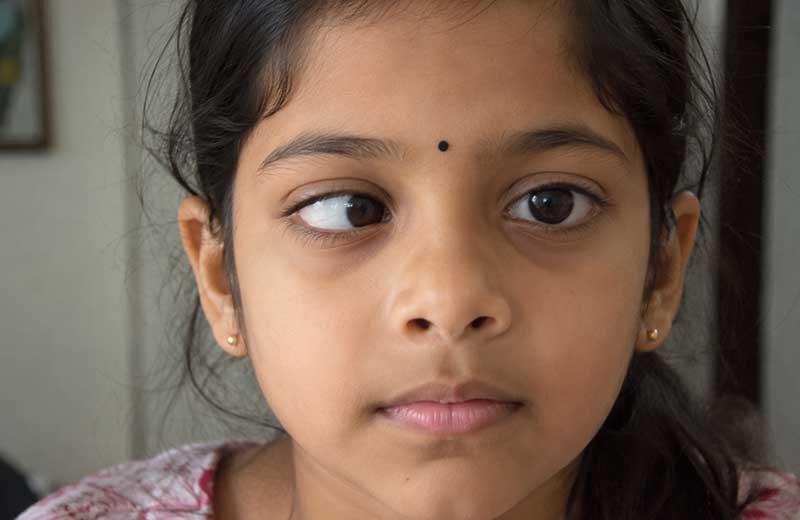
Strabismus (Eye Misalignment)
Strabismus means the eyes do not point in the same direction, which can affect depth perception and comfort. Depending on the type, it may be managed with glasses, surgery or vision therapy. Some forms, especially intermittent ones, can respond to targeted eye-coordination exercises.

Brain Injury, Concussion and Stroke
Vision problems such as double vision, light sensitivity or difficulty reading are common after a brain injury or stroke. Once the person is under medical care, structured visual rehabilitation may support recovery of everyday visual skills.

Convergence Insufficiency
Convergence insufficiency is when the eyes have difficulty turning inward together for close work, causing eyestrain, blur or double vision when reading. It is one of the conditions with the strongest research support for office-based vision therapy.

Dry Eye
Dry eye causes irritation, burning and fluctuating blur, often worse with long screen use. It needs assessment and treatment by an eye-care professional. Healthy habits such as regular breaks, full blinking and good lighting can support comfort alongside that care.
Everyday Situations That Raise Questions
People often first notice visual discomfort during ordinary tasks. Noticing one of the situations below does not mean something is wrong, but it can be a reason to ask questions and arrange an appropriate eye-care check.
- Eyes feel tired or strained after reading or screen work
- Words seem to move, blur, or run together after a while
- Frequently losing one’s place or skipping lines when reading
- Closing or covering one eye to see more comfortably
- Avoiding close work or homework that needs sustained attention
- Headaches that seem to follow visual tasks
Who Should Consider an Eye Examination?
People experiencing persistent eyestrain, intermittent or constant double vision, headaches linked with visual tasks, noticeable eye misalignment, or other changing visual symptoms should seek qualified eye-care assessment. Some concerns may require medical treatment or referral.
A comprehensive eye examination checks eye health and the need for glasses or contact lenses. Any vision-related guidance is best considered after that step, so that conditions needing medical care are not missed.
Please note: Sudden vision loss, new flashes or floaters, a painful red eye, or sudden double vision should be assessed urgently by a medical professional.
Questions Worth Asking Before You Begin
A good start is a clear conversation. These are questions we encourage every family and adult to ask, of us or of any provider.
- Who will guide the sessions, and what are their qualifications?
- Is an eye examination needed first, and who performs it?
- Which specific visual skill is the program aimed at?
- How often are sessions, and is there practice at home?
- How will progress be reviewed, and when?
- What are realistic expectations for this situation?
What Happens Next?
Send an enquiry.
Learn about the foundation’s service and practitioner qualifications.
Obtain appropriate eye-care evaluation when indicated.
Discuss suitable options and realistic expectations.
Everyday Habits for Visual Comfort
These general habits are widely suggested for comfortable close work. They support comfort; they do not treat any eye condition.
Take Regular Breaks
During long reading or screen sessions, look up and into the distance every so often. A commonly shared reminder is to look about 20 feet away for 20 seconds every 20 minutes.
Mind the Distance
Keep books and screens at a comfortable working distance rather than very close to the face.
Light the Task Well
Use even lighting and reduce glare on screens. Avoid reading in very dim light for long periods.
Balance Screen and Outdoor Time
Time outdoors and a balance between near work and other activities are often encouraged, especially for children.
Frequently Asked Questions
Can vision therapy improve short-sightedness or eliminate glasses?
Do not assume so. Myopia and refractive errors require evidence-based assessment and management, and vision therapy is not a replacement for prescribed glasses or other care.
Does vision therapy treat ADHD, dyslexia, or learning disabilities?
Vision therapy is not a treatment for ADHD or dyslexia. Children with reading or learning concerns may benefit from appropriate educational and healthcare assessments.
Can it treat lazy eye or crossed eyes?
Amblyopia and strabismus need evaluation and management by qualified eye-care professionals. Treatment depends on the diagnosis, so please begin with an appropriate eye-care assessment.
Do I need an eye examination before enquiring?
You can enquire at any time. If you have not had a recent comprehensive eye examination, we will usually recommend arranging one so that eye health and the need for glasses are checked first.
Is vision-related guidance suitable for children?
It depends on the child’s assessment and the specific concern. Please share your questions when you enquire, and involve your child’s eye-care professional where appropriate.
How long does a program last?
There is no single answer. Length depends on the person, the concern, and the approach. Ask for an explanation of how progress will be reviewed rather than a fixed promise.
What if symptoms begin suddenly?
Sudden vision loss, new flashes or floaters, a painful red eye, or sudden double vision should be assessed urgently by a medical professional.
Is Yantra consultation the same as vision therapy?
No. Our Nine-Planet Yantra Consultation is a separate spiritual and contemplative practice built around sacred geometry. It is not an eyesight treatment and does not replace an eye examination or vision therapy.
Take the first step toward visual comfort.
Ask about the available vision-related services, the practitioner’s training, and what an appropriate assessment might involve.
Enquire Now