Srividya Upasana: A Path of Devotion and Inner Practice
Srividya Upasana is the worship of the Divine Mother as Lalita Tripurasundari, within the Sri Vidya and Shakta traditions. Through mantra, Sri Chakra puja and guided discipline, practitioners seek to manifest their higher purpose and grow steadily on the spiritual path.
Enquire About Srividya Upasana
Understanding the Tradition
The word upasana is often explained as “sitting near”: drawing close to the Divine through steady, devoted practice. In Sri Vidya, the Divine Mother is revered as Lalita Tripurasundari, the creator, sustainer and withdrawer of all the worlds, and the Sri Chakra is honoured as the sacred geometric form of her presence.
The Upanishads describe Brahman, the absolute reality, as beyond name and form. The tantras make that same reality approachable by worshipping it as the Mother. Of her many revealed forms, ten are widely known as the Dasha Mahavidyas.
Sri Vidya is also called Brahma Vidya, the knowledge of Brahman. Vidya means the knowledge that removes ignorance (ajnana), and the tradition aims to help the seeker realise the oneness of the individual self with the Paramatman, the Supreme Self.
The Aims of Life in Sri Vidya
Many paths ask the seeker to renounce worldly life to reach liberation. The Sri Vidya tradition teaches that the Divine Mother supports a person through every stage of life:
Bhoga
Fulfilment and well-being in this life, with worldly duties carried out in a spirit of devotion.
Swarga
The tradition speaks of higher, heavenly realms attained through merit and sincere practice.
Apavarga
Liberation (moksha), the final freedom that the Shastras describe as the highest goal.
Open to All, Practised Anywhere
Sri Vidya is open to everyone, regardless of gender, nationality, caste or background. According to the Vedic Shastras, human birth is itself a blessing. Unlike large ritual ceremonies that need many people and costly offerings, upasana rests on simple self-discipline. It can be practised at home, harms no one, and fits into an ordinary working life.
The Practices of the Tradition
Each practice is learned from a teacher, step by step. The meanings below are as the tradition explains them.
Srividya Sadhana
The ongoing discipline of practice: regular, sincere effort over time rather than a single event.
Mantra Japa
Devoted repetition of a mantra received from the teacher. It is said to purify the five sheaths of being (pancha kosha) and lead gradually toward inner purity.
Sri Chakra Puja
Worship of the Sri Chakra, the sacred yantra at the heart of the tradition, understood to establish the Divine presence within the practitioner.
Homa or Yajna
Fire ceremonies with prayers and offerings, traditionally held to purify the surroundings and sanctify the place of sadhana.
Tarpana
Offerings of water made with reverence, which the tradition describes as cleansing accumulated karma.
Parayanam
Regular reading and recitation of sacred texts, such as the Lalita Sahasranama, the thousand names of the Divine Mother.
The Teacher and the Lineage
Guru Parampara is the unbroken lineage of teachers extending from Sadashiva to one’s own guru. Just as one lamp lights another, each guru passes on the light of the tradition to a sincere disciple.
A traditional story makes the point. The legendary sparsha vedi stone turns iron into gold, but the gold it creates cannot turn other iron into gold. A true guru not only raises the disciple but also prepares that disciple to guide others in turn.
The Place of the Guru
The Shastras regard the Sri Guru as one with Para Shakti. The guru is seen not merely as a person but as the living channel of grace through which diksha, the transmission of spiritual energy, takes place.
Guru Paduka
The Guru Paduka mantra honours three teachers: one’s own guru, the Parama guru and the Parameshti guru. Through them the disciple comes to understand the Self, contemplate the mantra and experience the Divine within.
Honouring the Guru
Respect for the guru is shown through humility, attentiveness and inner devotion (guru bhakti). The tradition values sincere inward reverence above outward display.
A Day in the Life of an Upasaka
Anushtanam means the faithful observance of one’s practices. A Srividya upasaka keeps the daily (nitya) and occasional (naimittika) rites, and avoids rituals performed only to satisfy personal desires, trusting that the Divine Mother provides what is needed at the right time.
Rise Early
Wake before sunrise and remember the guru and the Divine Mother.
Daily Rites
After bathing, perform the nitya rites and puja of the Sri Chakra.
Mantra Japa
Chant the moola mantra received from the guru.
Sahasranama
Recite the thousand names of the Divine Mother.
Through the Day
Return to japa, reading, puja, homa, tarpana and meditation whenever time allows.
Stages of Initiation
In our lineage, initiation is given step by step as the student’s practice matures. The teacher decides when a student is ready for each stage.
- Ganapati mantra and anushtanam
- Guru Maha Paduka upadesha
- Bala mantra
- Raja Shyamala mantra
- Varahi mantra
- Panchadashi mantra
- Siddhi mantra (beeja)
- Maha Shodashi mantra
- Soubhagya Shodashi mantra
- Guru Mandala
The mantras themselves are given only through initiation by the teacher and are not published here.
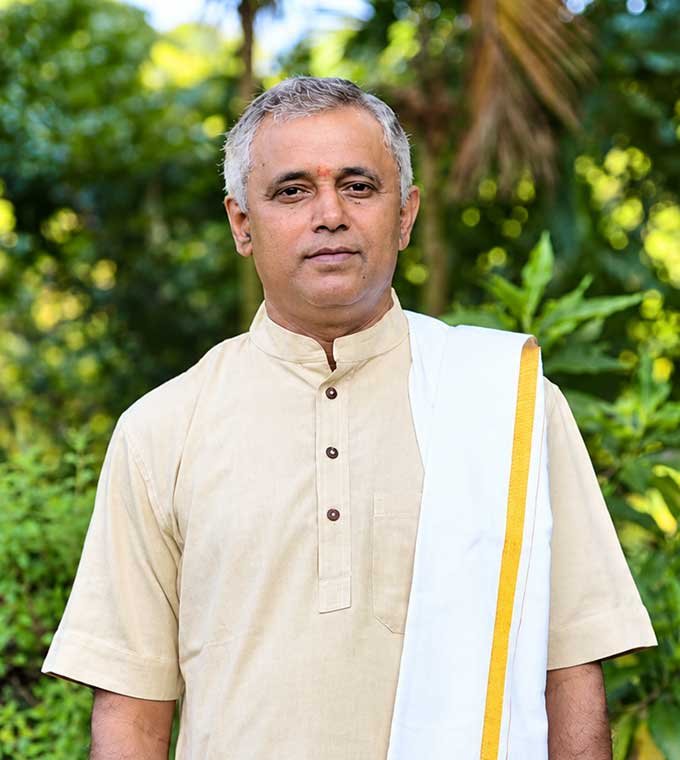
Our Teachers
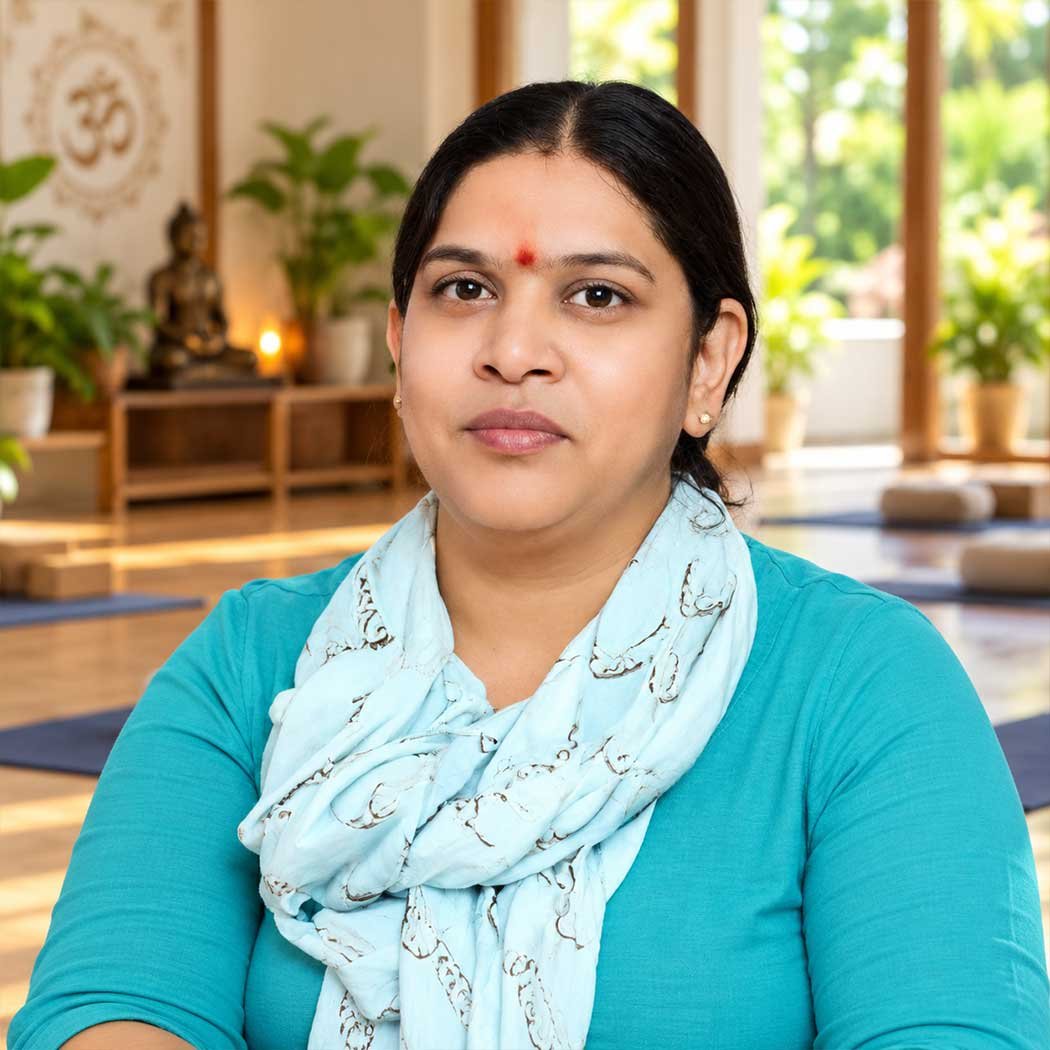
Mrs. Meenakshi Chidananda
Practising Srividya Sadhana in the Amritananda Guruji lineage since 2012.
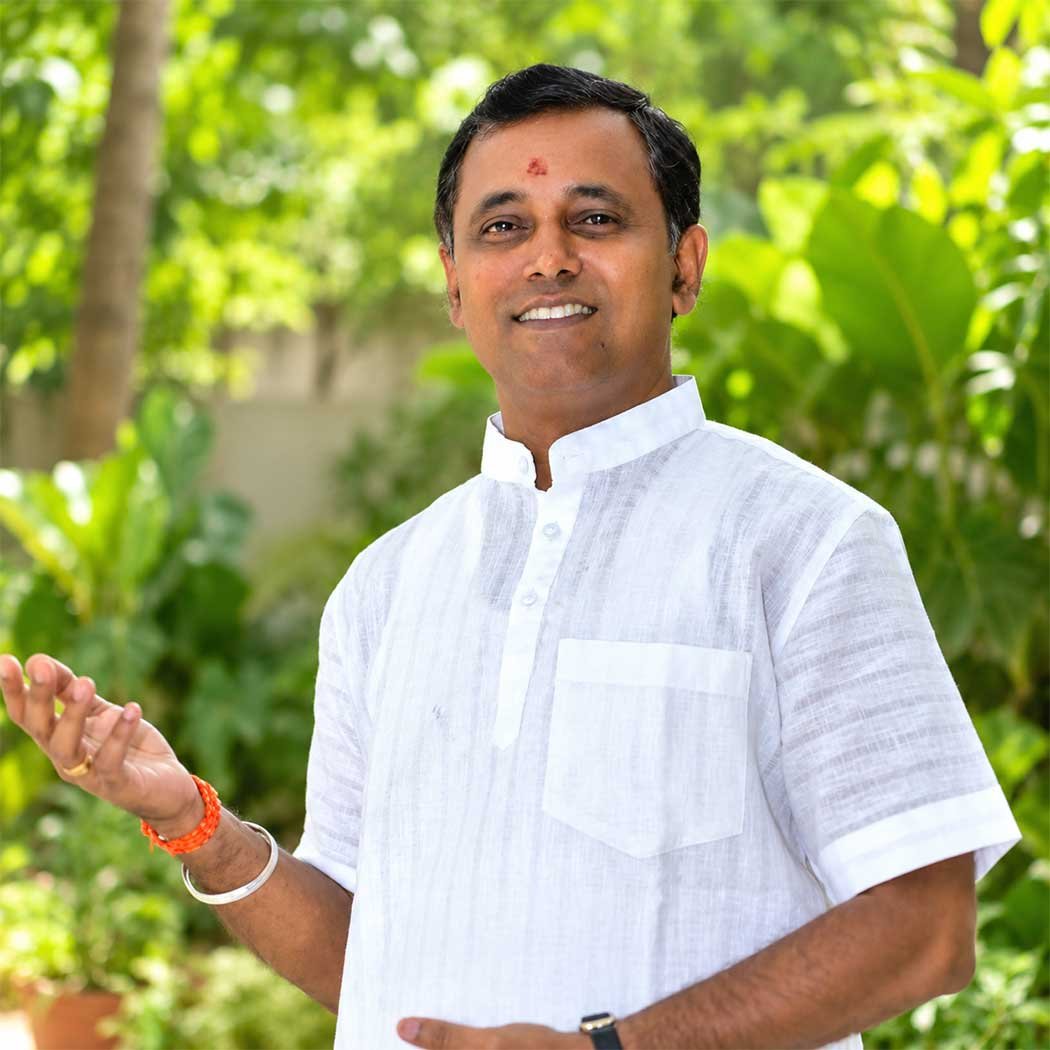
Mr. Chidananda Kumar
Srividya Sadhana, Kriya Yoga and Kundalini practitioner.
Related Courses
Alongside Srividya, the foundation offers courses in complementary energy practices.
Reiki Healing Course
Certificate courses in Reiki Level 1, Level 2 and Master level.
Tibetan Singing Bowl Course
Learn sound practice with Tibetan singing bowls for relaxation and meditation.
These are relaxation and spiritual practices. They are not a substitute for medical or mental-health care.
Our Approach
We share the tradition respectfully and keep its inner practices within the teacher–student relationship where they belong. The path is one of patience and sincere practice, and its fruits unfold in their own time.
How to Begin
Send an enquiry with your background and interest.
Meet the teacher and learn about the lineage and the path.
Begin with the first stage of practice when the teacher feels you are ready.
Continue with regular anushtanam and guidance at your own pace.
Frequently Asked Questions
Can anyone learn Srividya?
Yes. Sri Vidya is open to everyone, regardless of gender, nationality, caste or background. What matters is sincerity and readiness to learn.
Do I need prior experience?
No. Newcomers are welcome. Your teacher will begin from where you are.
Is initiation required?
Yes, the practices are received through diksha, given in stages. Your teacher will explain each stage and when you are ready for it.
Do I have to give up family or work life?
No. Srividya is a householder’s path. The daily practice is designed to fit around ordinary responsibilities.
Does it require expensive ceremonies?
No. Upasana rests on simple personal discipline. Larger ceremonies are occasional and done under guidance.
Can I learn the practices from this website or from books?
This page is an introduction only. In the tradition, practices are learned directly from a teacher.
Is Srividya Upasana a form of healing or therapy?
It is a spiritual practice, not a medical treatment. It does not replace medical or mental-health care.
Begin your path with Srividya Upasana.
Ask about guidance, initiation and the next steps on the path.
Enquire About Srividya Upasana