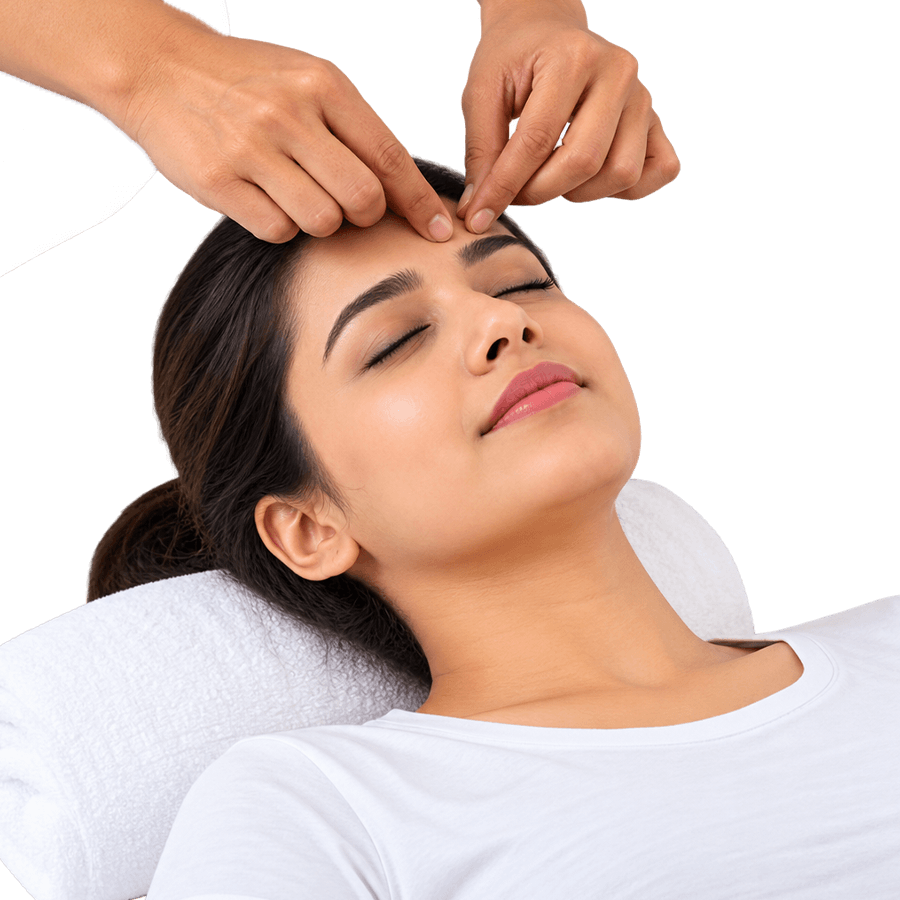
Explore Traditional Acupressure and Acupuncture Practices
Learn about two point-based traditional practices at Maitri Foundation. The suitability of any session depends on individual circumstances, practitioner training, and appropriate safety precautions.
Enquire About These Therapies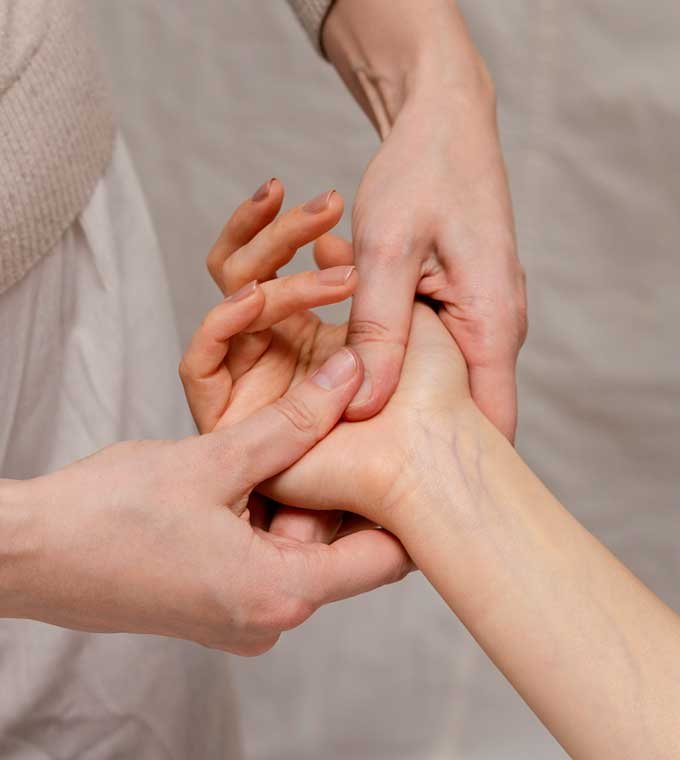
Two Practices, One Shared Idea
Acupressure and acupuncture both come from traditional systems that describe specific points on the body. They differ mainly in how those points are worked with: by hand, or with fine needles. Each has its own training, precautions, and suitability.
Acupressure
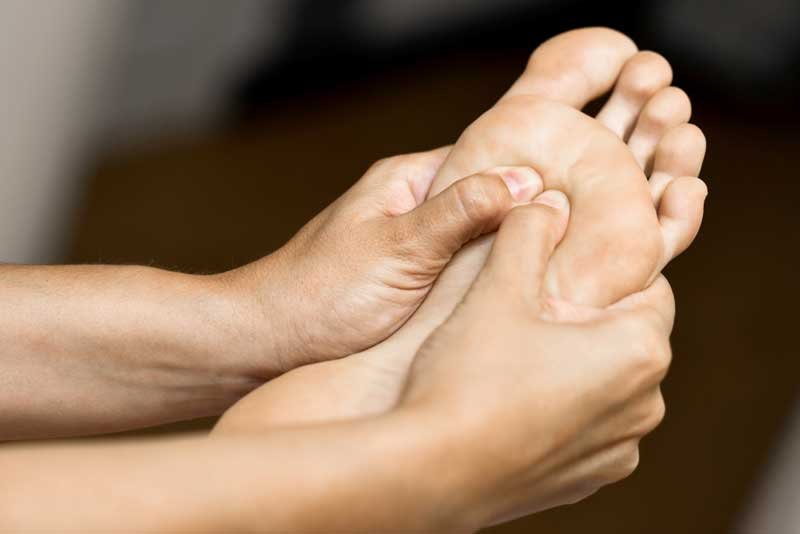
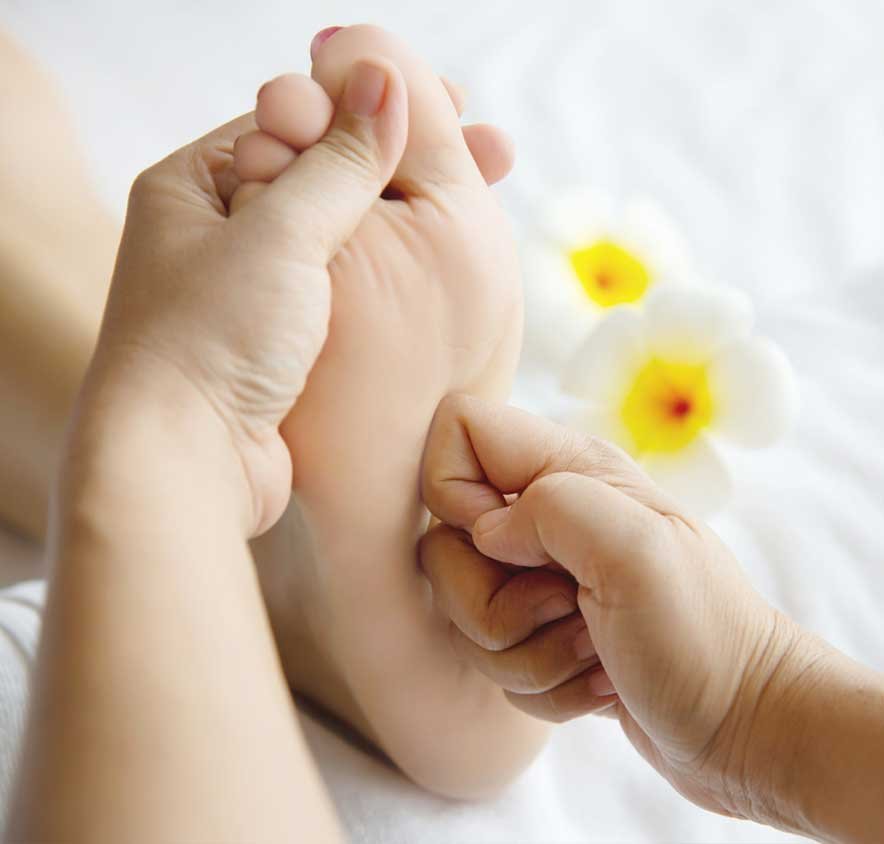
Acupressure uses manual pressure on selected points of the body. Ask about the practitioner’s approach, training, and any relevant precautions.
Pressure is applied with the fingers, thumbs, or palms, usually through light clothing. Many people find the sessions relaxing, and the practitioner may suggest simple points to press gently at home.
Acupuncture
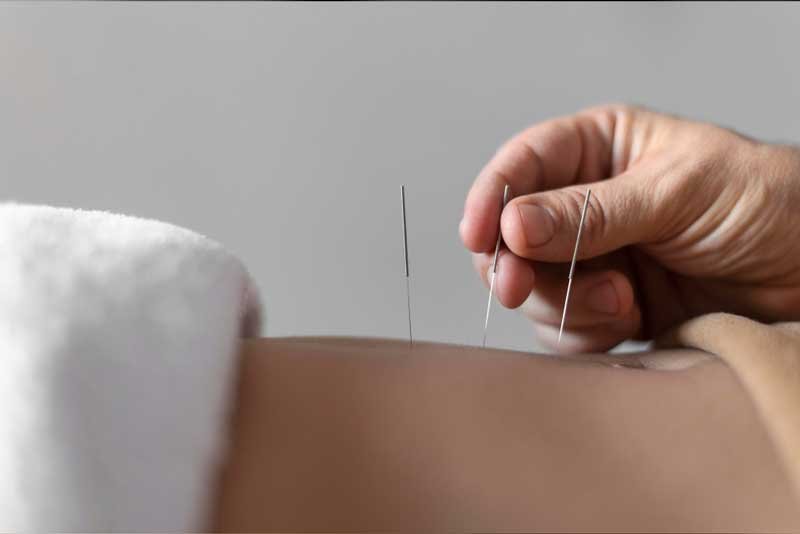
Acupuncture involves the placement of fine needles at selected points by an appropriately trained practitioner. Ask about sterile single-use needles, infection-control procedures, contraindications, and the practitioner’s qualifications.
Acupuncture needles are much finer than injection needles. Some people feel a brief prick, tingling, or dull ache at the point, which usually settles quickly.
What a Session May Involve
A conversation about your concerns, health history, and medications.
An explanation of the approach and the points to be used.
The session itself, while you rest comfortably.
Time to rest afterwards and a discussion of any follow-up.
Please ask about session length, the number of sessions usually suggested, and how your response will be reviewed.
Safety Comes First
A careful practitioner will be happy to answer questions like these before you begin.
- What training and qualifications does the practitioner hold?
- Are sterile, single-use needles used and safely disposed of?
- How is hygiene maintained between clients?
- Which conditions or medications need special care?
- What reactions are normal, and when should I seek help?
- How will this fit alongside my existing medical care?
Before You Book
Tell the practitioner about relevant medical conditions, medications, pregnancy, bleeding disorders, or other safety considerations. It also helps to mention a pacemaker or other implanted device, recent surgery, skin conditions near the treatment area, and any fear of needles.
Eat lightly beforehand rather than arriving very hungry, and wear loose, comfortable clothing.
Acupressure and acupuncture should not delay necessary medical evaluation or treatment.
Frequently Asked Questions
Does acupuncture hurt?
Most people describe a brief prick or a dull, tingling sensation rather than pain. Tell the practitioner straight away if anything feels uncomfortable.
I am nervous about needles. Is acupressure an alternative?
Acupressure works with the same kind of points using pressure instead of needles. Discuss your preference with the practitioner.
Can I practise acupressure on myself?
Gentle self-pressure on simple points is sometimes suggested. Ask the practitioner to show you suitable points and how firmly to press.
Can these practices replace my medicines or treatment?
No. Do not stop or change prescribed treatment without speaking to your doctor. These practices are offered alongside, not instead of, medical care.
Are they suitable during pregnancy?
Some points and techniques are avoided during pregnancy. Speak with your doctor first and always tell the practitioner if you are pregnant.
Curious about acupressure or acupuncture?
Ask about the practitioner’s training, the approach used, and whether a session may be suitable for you.
Enquire About These Therapies