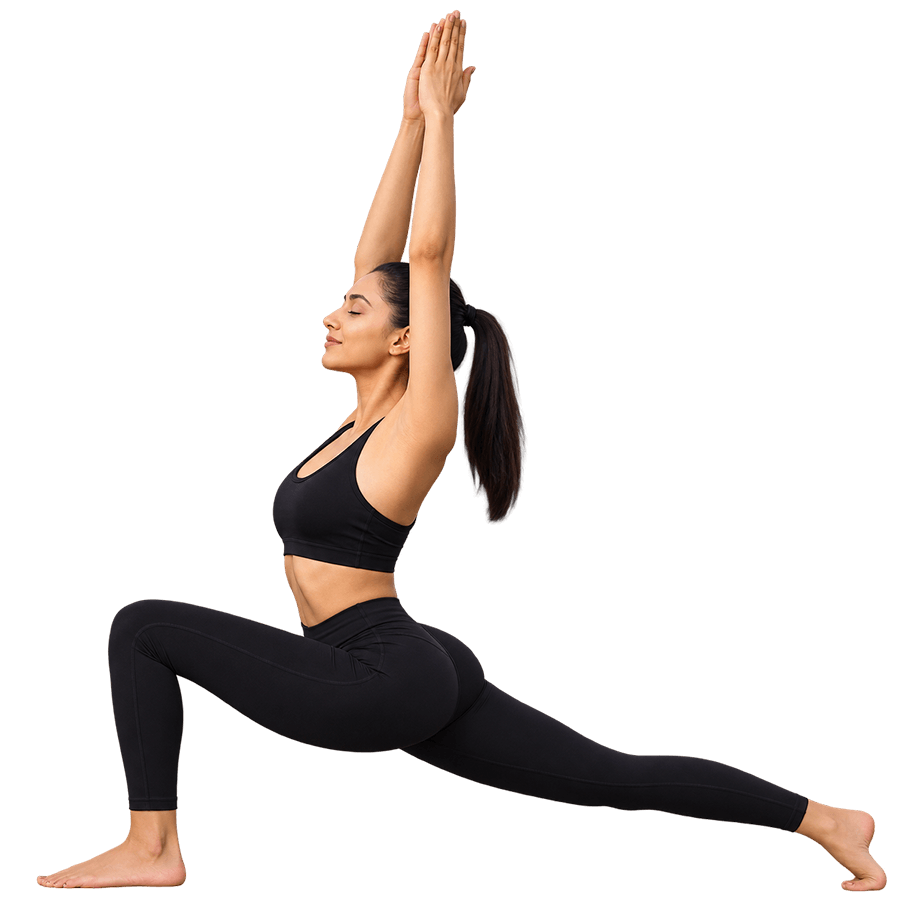

Stress can affect how we feel, think and respond to everyday situations. Work pressures, family responsibilities, changes in routine and lack of rest can all contribute to feeling tense or overwhelmed. While some stress is a normal part of life, finding healthy ways to manage it can support overall wellbeing.
Yoga combines physical postures, breathing practices and focused attention. For some people, gentle yoga and relaxation routines can be a helpful part of managing everyday stress. This guide introduces simple practices for beginners, explains how to approach them safely and outlines when additional support may be useful.
At Maitri Foundation, Yoga Therapy is one of the services people can enquire about to learn more about guided yoga and wellbeing practices.
How Can Yoga Help with Stress Management?
Yoga includes several practices that encourage awareness of the body and breath. Gentle movement may help ease physical tension, while breathing and relaxation exercises can provide a structured pause during a busy day.
Research suggests that yoga may help some people manage perceived stress and support wellbeing. However, outcomes vary, and yoga is not a guaranteed treatment for stress-related or mental health conditions. It can be one part of a broader self-care routine alongside sleep, social support, healthy habits and professional care when needed.
Potential ways yoga may support stress management include:
- Body awareness: Noticing where you hold tension can help you respond to discomfort more thoughtfully.
- Gentle movement: Comfortable movement may help reduce feelings of physical stiffness associated with sitting or everyday demands.
- Breath awareness: Paying attention to a natural, steady breath can create a moment to pause and refocus.
- Relaxation: A short relaxation practice can offer a planned break from tasks and distractions.
- Routine and consistency: Setting aside a few minutes for practice may help create a regular self-care habit.
1. Start with Comfortable Breathing
You do not need to change your breathing dramatically to begin. Simply noticing the breath can be a gentle introduction to mindfulness.
How to practise
- Sit in a comfortable chair or on a mat, with your back supported if needed.
- Let your shoulders relax and rest your hands comfortably.
- Breathe naturally through your nose if that is comfortable for you.
- Notice the air moving in and out without forcing or holding your breath.
- When your attention wanders, gently bring it back to the next breath.
- Continue for one to three minutes, or for as long as feels comfortable.
The aim is not to achieve a special sensation or stop every thought. It is simply to pause and notice your breathing.
2. Gentle Slow Breathing
Some people find a slightly slower, comfortable breathing rhythm calming. Keep the breath easy rather than taking very deep breaths.
How to practise
- Sit or lie in a comfortable position.
- Inhale gently for a count that feels natural, such as three.
- Exhale slowly for a similar count, without straining.
- Continue for one or two minutes while keeping the breath smooth and relaxed.
There is no need to follow a strict count. If you feel short of breath, dizzy, anxious or uncomfortable, return to normal breathing and stop the exercise. Avoid breath retention unless you have received appropriate instruction and it is suitable for you.
3. Shoulder and Neck Release
Stress and prolonged desk work can coincide with tension around the shoulders and neck. Gentle movement may help you become more aware of the area and move it comfortably.
How to practise
- Sit or stand with a relaxed posture.
- Slowly lift your shoulders towards your ears, only as far as comfortable.
- Gently lower them and allow them to settle.
- Repeat three to five times.
- If comfortable, turn your head slightly to one side and then the other, without forcing the movement.
Avoid strong stretching, sudden movements or any position that causes pain, tingling or dizziness. If you have a neck injury or ongoing symptoms, seek professional guidance before trying new movements.
4. Gentle Seated Forward Fold
A supported forward fold can be included in a gentle yoga routine if it feels comfortable for your body. It is not necessary to reach your feet or push into a stretch.
How to practise
- Sit near the front of a sturdy chair with your feet resting on the floor.
- Keep your knees comfortably bent.
- Slowly hinge forward from your hips, resting your hands on your thighs or a cushion.
- Let your neck remain comfortable and avoid pulling yourself down.
- Stay for a few easy breaths, then return upright slowly.
Skip this movement if it aggravates back, hip or other symptoms. People with relevant medical conditions, recent surgery or balance concerns should ask a qualified professional which movements are appropriate.
5. Guided Body Relaxation
A body relaxation practice directs attention to different areas of the body without requiring stretching or physical effort.
How to practise
- Lie down or sit in a supported position.
- Notice the contact between your body and the chair, mat or bed.
- Bring attention to your feet, then gradually notice your legs, hands, shoulders and face.
- At each area, see whether you can allow the muscles to soften without forcing them to relax.
- Finish by noticing the whole body and taking a moment before getting up.
You can practise for two to five minutes. If closing your eyes feels uncomfortable, keep them open and look at a calm point in the room.
6. Legs Supported on a Chair
Resting the lower legs on a chair can provide a comfortable supported position for relaxation. It is an optional rest position, not a treatment for a medical condition.
How to practise
- Lie on your back on a comfortable mat or firm surface.
- Place your calves on a sturdy chair so that your knees are comfortably bent.
- Support your head with a thin cushion if needed.
- Let your arms rest by your sides and breathe naturally.
- Stay for a few minutes if the position feels comfortable, then roll onto your side and rise slowly.
Avoid this position if lying on your back is uncomfortable or if it worsens any symptoms. Choose a seated relaxation practice instead if that is more suitable.
7. Try a Short Mindful Pause
You can practise mindful attention without doing any yoga postures.
- Pause what you are doing and place both feet on the floor.
- Notice three things you can see around you.
- Notice the sensation of your feet touching the floor or your hands resting.
- Take a few comfortable, natural breaths.
- Decide on one manageable next step for your day.
This simple pause can be used at work, at home or between activities. It is not intended to eliminate stress, but it may help you respond more deliberately.
A Simple 10-Minute Yoga Routine for Stress
If you are new to yoga, keep the routine gentle and adapt it to your comfort.
| Time | Practice |
|---|---|
| 1 minute | Settle into a comfortable seated position |
| 2 minutes | Natural breath awareness |
| 2 minutes | Gentle shoulder release and comfortable neck movement |
| 2 minutes | Supported seated forward fold, if suitable |
| 2 minutes | Guided body relaxation |
| 1 minute | Sit quietly and notice how you feel |
You can shorten or skip any activity. The routine should feel manageable, not like another task to complete. Consistency matters more than forcing yourself to practise for a particular length of time.
Tips for Building a Regular Yoga Habit
- Start small: A few comfortable minutes can be easier to maintain than a long routine.
- Choose a convenient time: Try a short session before work, during a break or before bed.
- Use comfortable clothing and space: You do not need an elaborate setup.
- Adapt the practice: Chair-based movements and supported positions can be useful alternatives to floor postures.
- Avoid comparison: Flexibility and advanced poses are not requirements for practising yoga.
- Notice your response: Keep movements and breathing comfortable, and adjust or stop if something does not feel right.
- Seek guidance when needed: A qualified yoga professional can help adapt a practice to your needs and limitations.
Yoga for Stress Management: When to Seek Additional Support
Yoga can be one element of a wellbeing routine, but it should not be the only source of help when stress becomes difficult to manage.
Consider speaking with a healthcare professional or mental health professional if stress is persistent, interferes with daily life, affects sleep over time or feels difficult to cope with. Seek urgent local help if you feel unable to keep yourself safe.
If you have a medical condition, are recovering from an injury or surgery, are pregnant, or have concerns about balance or movement, ask an appropriately qualified healthcare professional about suitable activities. Inform your yoga instructor of relevant limitations before a session.
Explore Yoga Therapy at Maitri Foundation
Maitri Foundation offers Yoga Therapy as part of its holistic wellness services. If you are interested in guided movement, breathing awareness and relaxation practices, contact the foundation to learn about its current sessions, the approach used and whether the programme is suitable for your needs.
Ask about the instructor’s qualifications, how sessions are adapted for beginners and what you should bring to your first session.
Interested in learning more?
Contact Maitri Foundation to enquire about Yoga Therapy and available sessions.
Frequently Asked Questions
Can yoga help with stress?
Yoga may help some people manage perceived stress and support wellbeing. Results vary, and yoga is best viewed as one part of a broader approach to self-care rather than a guaranteed treatment.
Which yoga is best for stress management?
There is no single best style for everyone. Gentle movement, comfortable breathing, restorative positions and guided relaxation may be suitable starting points. Choose a practice that fits your abilities and seek professional advice when needed.
How long should I practise yoga for stress?
You can begin with five to ten comfortable minutes and adjust based on your needs. There is no universal duration that guarantees a particular result.
Can beginners practise yoga at home?
Many beginners can start with simple breathing awareness, gentle movement and relaxation. Avoid forcing stretches or trying advanced poses from online videos. If you have health concerns or physical limitations, seek appropriate guidance first.
Is yoga a replacement for mental health treatment?
No. Yoga may complement other forms of support, but it should not replace professional mental health care when needed. Consult a qualified professional if stress or anxiety is persistent or affects daily functioning.
What should I do if breathing exercises make me dizzy?
Stop the exercise and return to natural breathing. Do not force deep or rapid breathing or hold your breath. If symptoms persist or recur, seek medical advice.
Conclusion
Yoga for stress management does not need to involve complex poses or long sessions. Comfortable breathing, gentle movement, mindful pauses and relaxation can help create space for self-care in a busy routine.
Start gradually, listen to your body and seek guidance when appropriate. If you would like to explore a guided approach, contact Maitri Foundation to learn more about its Yoga Therapy service.
Disclaimer: This article is for general educational purposes and is not medical or mental health advice. Yoga practices are not a substitute for diagnosis or treatment. Choose movements and breathing practices that are appropriate for your circumstances and stop if you experience pain, dizziness, breathlessness or other concerning symptoms.